
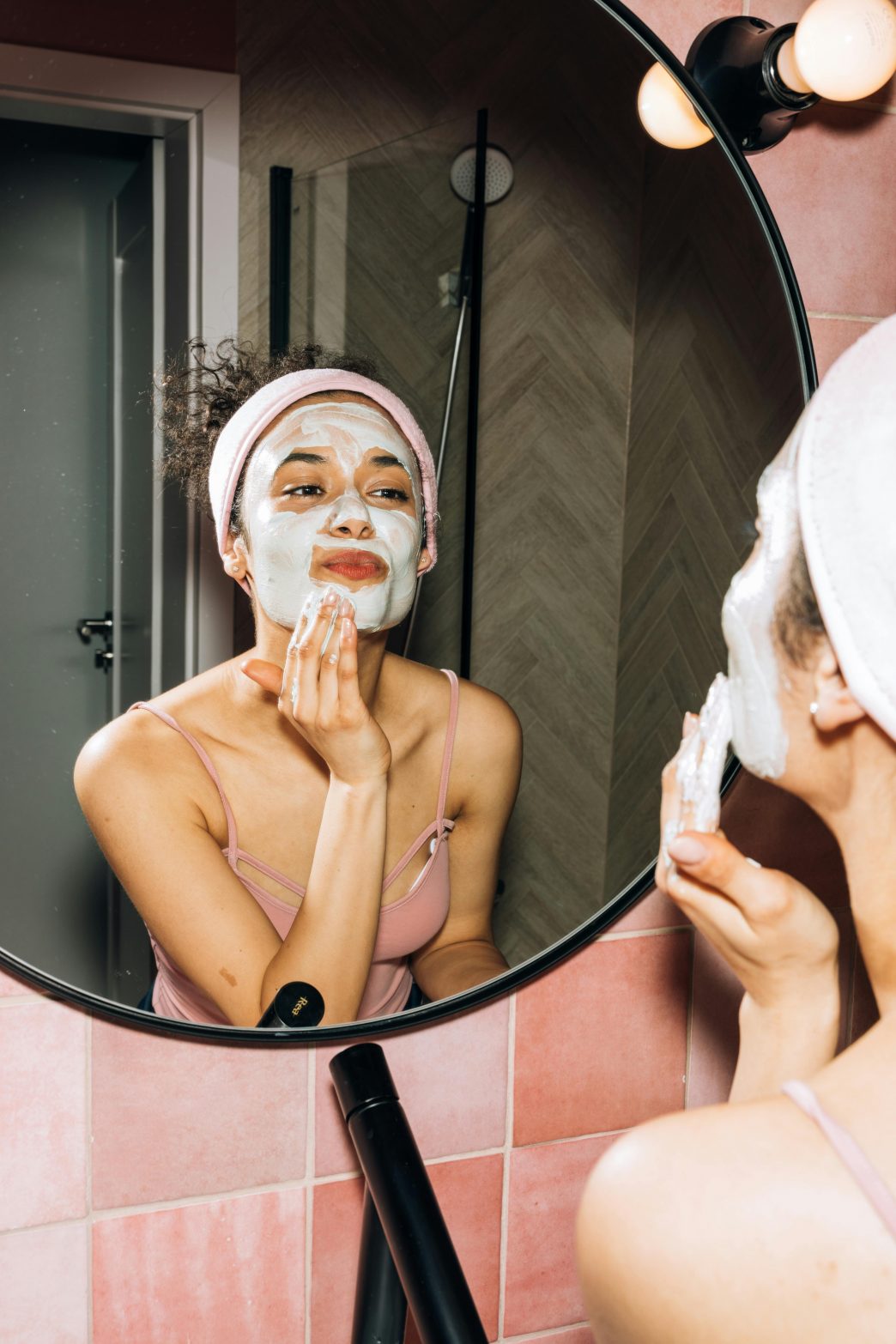
It is a border and a memory, a projection surface and political terrain: our skin tells the story not only of genetics and habits, but of shifting social ideals. Between TikTok tutorials, retinal serums, and dermatology on prescription, one thing is clear: skincare in 2025 is more than a beauty routine. It is self-affirmation, science, and quiet rebellion all at once. The skinfluencer trend marks the rise of a new generation that doesn’t aestheticise cosmetics — it decodes them.
Skinfluencers as Knowledge Communicators
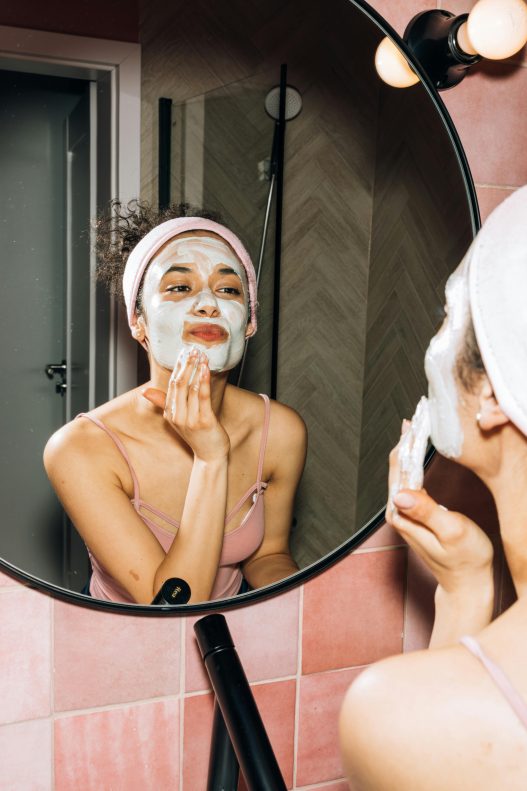
The evolution of the skinfluencer trend follows a clear pattern: what began with hauls and product lists has developed into a discursive space for ingredient literacy, ethics, and empowerment. Particularly on TikTok („SkinTok“) and Instagram, formats are emerging in which dermatologists, cosmetic chemists, and medical creators make scientifically grounded content accessible. Terms like retinoids, niacinamide, barrier repair, and pH stability are now firmly in the active vocabulary of a Gen Z that no longer buys promises — it questions mechanisms.
Skincare as Strategy
Our skin does not age in a linear way, but along biochemical and psychosocial patterns. The new report Haut:geklärt 2025 reveals: wrinkles, dryness, and pigmentation shifts are visible signs of a more comprehensive process that affects not just appearance, but self-image. 91% of women consider their skincare routine important; 62% regularly use serums or creams. As early as their twenties, one in five women begins anti-ageing care — another quarter between the ages of 30 and 40.
The signals are clear: smooth skin shouldn’t look younger, but cared-for and healthy. Authenticity and acceptance are central themes. Only 10% of respondents explicitly want wrinkle-free skin. For 40%, „ageing well“ means feeling comfortable in healthy skin.
Retinoids: Science Meets the Ingredient Hype
Retinol is the classic; retinal is the new it-molecule. Both belong to the vitamin A family and rank at the top of scientifically proven anti-ageing actives. Retinal works faster than retinol, is gentler than retinoic acid, and is biochemically more efficient. Yet many people don’t know the difference: 83% of women are unaware of it, and 80% don’t know that retinal is the more potent option. Only 3% use retinal regularly, even though 57% are open to trying it.
The so-called retinisation phase — the adjustment period for retinoids — puts many people off. New formulations, such as the pharmacy-exclusive retinal series by medipharma cosmetics, respond with encapsulated retinal in varying concentrations. Complemented by hyaluronic acid, panthenol, and SPF 50+, these create a coordinated care system with a gentle entry point and visible results.
The topic of skincare in 2025 is no longer an isolated act — it’s embedded in a comprehensive lifestyle. 78% of women consciously drink plenty of water; 77% pay attention to balanced nutrition; one in two takes dietary supplements. Even cosmetic procedures are no longer taboo: 5% regularly use Botox or fillers, 6% opt for cosmetic treatments such as facials or needling. But the trend leans towards a combined strategy of aesthetic care and inner regulation.
Selfcare or Self-Optimisation? A Fine Line
Between ingredient literacy and glow-focus, one central question remains: is skinfluencing in 2025 still self-care, or is it already self-optimisation? The answer may lie in the ambivalence itself. Anyone engaging with skin ageing moves inevitably within the tension between social expectations, media images, and personal body awareness.
Skinfluencers demonstrate that visibility, transparency, and expertise can forge new paths. Beyond perfection. This is about more than glow. It’s about control, body knowledge, and a new understanding of care. And perhaps that is the greatest revolution of our time.