
Pop culture has always been a seismograph for social shifts — and therefore for the beauty ideals of entire generations. Whether through iconic film characters, viral TikTok phenomena, or the expressive looks on festival stages: pop-cultural impulses continuously rewrite the rules of beauty. In an era in which cultural symbols are disseminated in real time, the beauty bubble is not only a mirror of its time, but an active shaper of it.
The Euphoria Effect: When Make-Up Becomes Emotion
A prime example of the influence of pop-cultural production on global beauty aesthetics is the HBO series Euphoria. The opulent glitter lids, tearful shimmer, and pastel eyeliner of its protagonists have established a new visual language: emotionally charged, maximally expressive, and deliberately anti-perfectionist.
@danielllestrada NYE makeup tutorial ✨ #makeup #makeupartist #makeuptutorial #nyemakeup #nyemakeuplook #nyemakeuptutorial #euphoriamakeup ♬ Creepin' – Metro Boomin & The Weeknd & 21 Savage
Make-up here becomes a vehicle for inner states — a trend that has since manifested itself on runways and social feeds alike. According to Byrdie, this aesthetic is already shaping the Coachella season 2025: instead of simple braided hairstyles, sculptural hair statements and metallic textures now dominate. The viral power of TikTok shapes the understanding of beauty in real time — most notably through the rise of the so-called Douyin make-up look.
These visuals have established a new standard that is increasingly inspiring Western creators too, and in turn influencing global product lines.
What is Douyin -Make-up?
Douyin make-up is a style that originated on the Chinese short-video platform Douyin (the Chinese counterpart to TikTok). It is characterised by flawless, porcelain-like skin, subtle blush tones, exaggerated watercolour lips, and an accentuated "youthful" glow.

Algorithmically optimised filters cause real and digital aesthetics to merge — making the look hyperreal yet somehow "natural" in appearance. This style has spread from East Asia into the global beauty scene, now influencing Western product formulations, packaging, and advertising campaigns.
Tramp Stamps and Y2K
Pop culture’s hunger for revival knows no expiration date: one controversial tattoo comeback is currently making waves — the so-called „tramp stamp“. What was once considered trashy in the early 2000s is today celebrated by Gen Z as an act of reappropriation. As the New York Post reports, the lower back tattoo has become a symbol of female self-determination. The context has shifted: where once objectifying gazes dominated, the self-staging of one’s own body now stands centre stage.
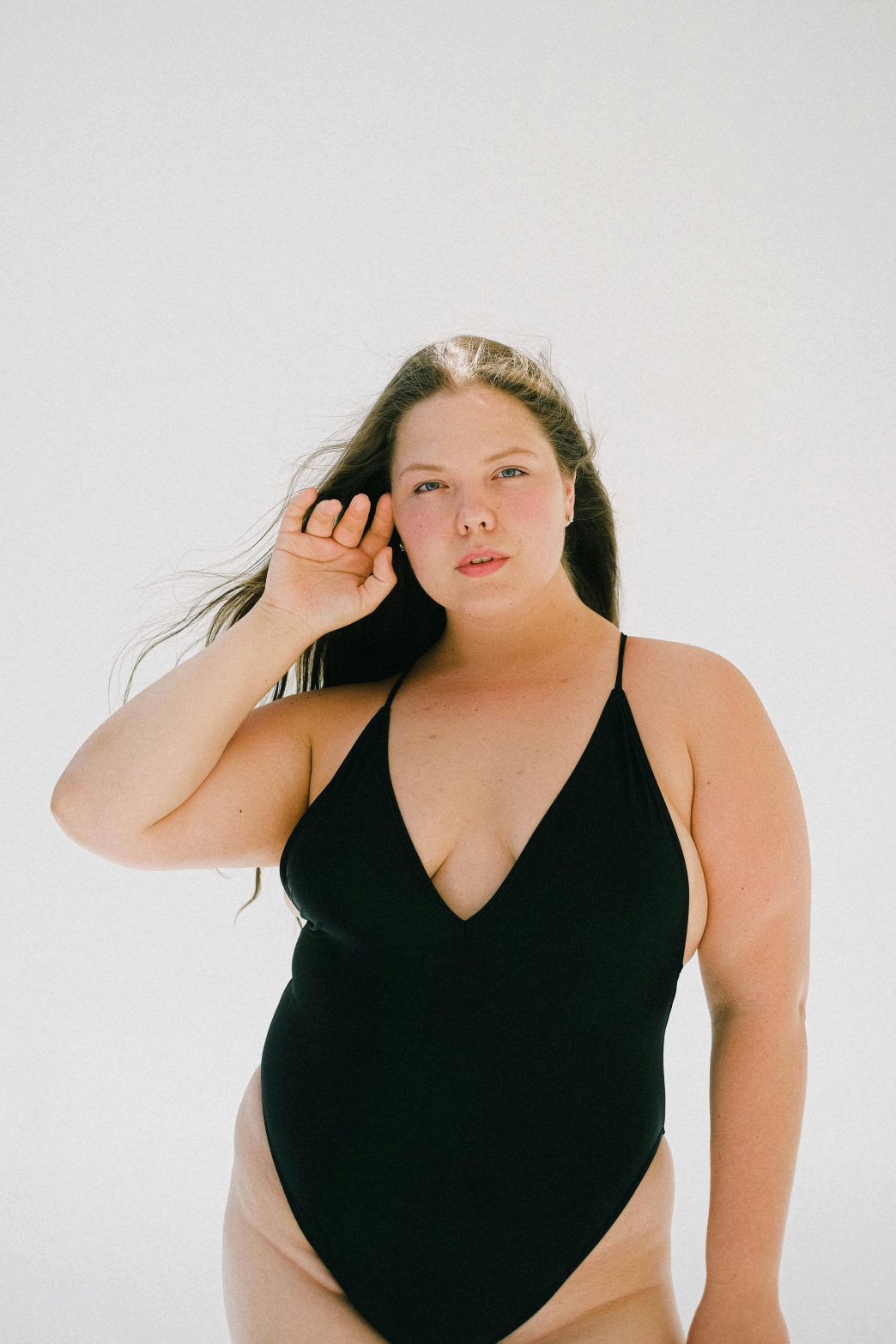
Pop culture is not only a catalyst for trends, but also a testing ground for technological innovation. H&M, for instance, is increasingly using AI-generated models for campaigns. According to Teen Vogue, this development is triggering heated debate: between efficiency, inclusivity, and the risk of making real bodies invisible, the boundaries of what is real are becoming blurred. The virtual body becomes a projection surface for new ideals — and a challenge for traditional understandings of beauty.
Pop Culture as Mirror and Motor of the Beauty World
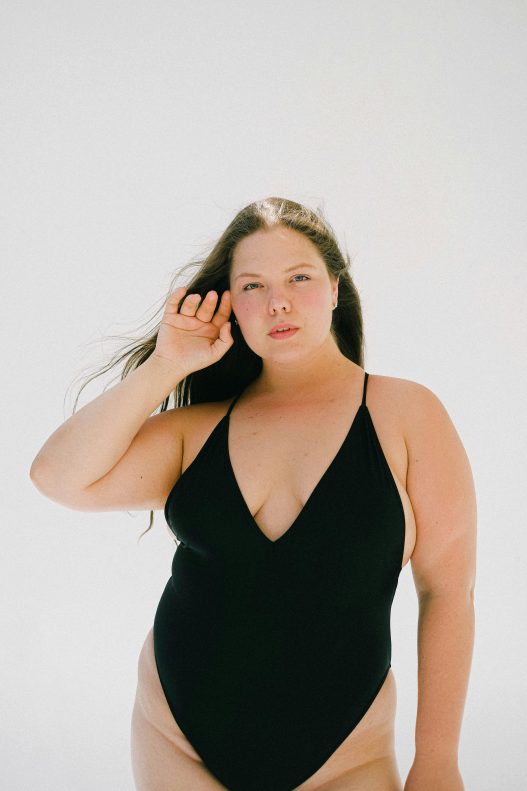
The diversity of pop culture is increasingly reflected in a beauty industry that no longer produces for a homogeneous ideal. Labels like Fenty Beauty have initiated a paradigm shift with their comprehensive shade ranges. As Vogue Business analyses, multiracial consumers in particular are durably transforming product development: textures, pigmentations, and skincare formulas are becoming more adaptive, and the communication more inclusive. Pop culture here functions as an amplifier of a shift in norms already demanded by society at large.
The beauty industry is no longer a static sector — it is a dynamic, culturally coded playing field. Pop culture — from series and music, to social media and AI — functions simultaneously as impulse generator, amplifier, and critic. It stretches, shifts, and expands our understanding of beauty: not only at the surface, but at the structural core of the industry.