
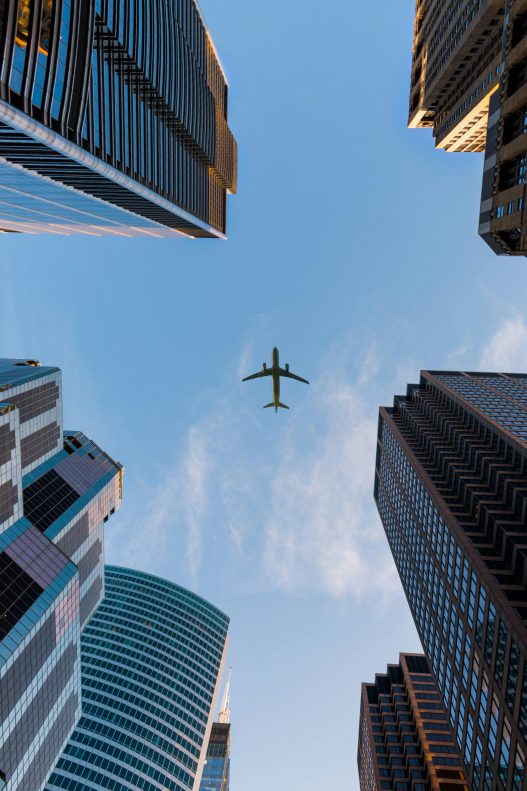
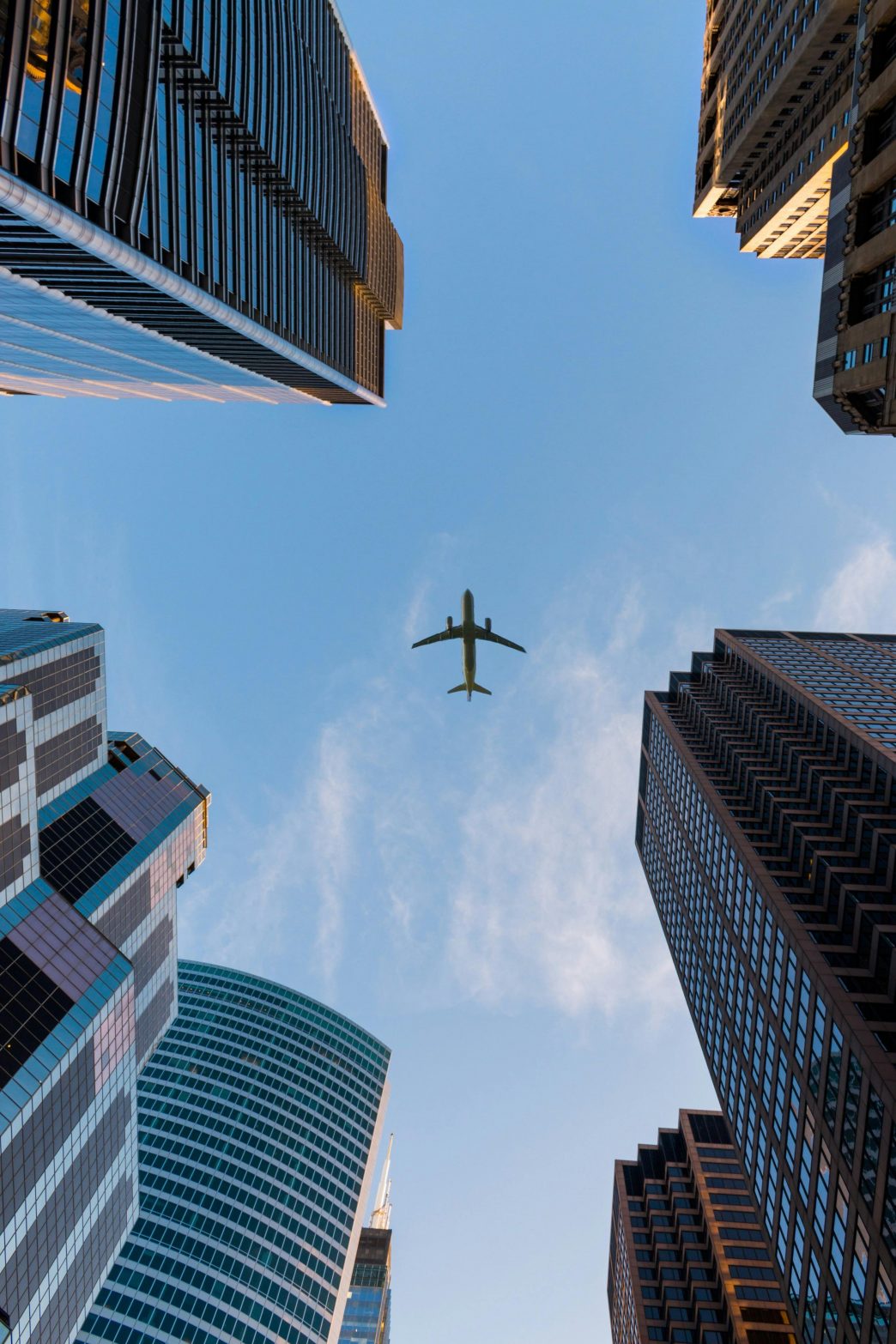
It usually begins with wanderlust and ends, ideally, with sunlight on the skin. In between: recycled cabin air chaos, dehydrated skin, and jetlag that outlasts any longwear lipstick. Flights are a glamorous promise — but also a physical state of exception. Whether the first day in a new time zone feels light-footed or heavy depends less on the destination and more on the flight routine. And that routine begins long before check-in.
Between jetset and jetlag lies an entire cosmos of biohacks, rituals, and beauty strategies that keep not only the complexion, but also inner equilibrium on track. Those who fly like a model off-duty plan in phases: before the flight, during, and after — informed by current research in travel medicine and refined through insights from wellness culture, chronobiology, and pop culture.
Phase 1: Pre-Flight Glow — Immune Boosters & Chronohacks
Even before boarding, the perfect flight routine begins — from the inside out. The aircraft cabin is no place for naive immunity. It is, rather, a space where dry air and time zone displacement collide with the nervous system — much like espresso on an empty stomach.
Beta-glucans and extracts from medicinal mushrooms like reishi are the new superfoods among immune boosters. They activate natural killer cells and give the immune system a wake-up call — entirely without caffeine. Also approved: a small but precise melatonin shortcut. Taking 0.5 to 3 milligrams of the sleep hormone around 24 hours before departure helps the body clock synchronise — something of a jetlag antidote.
Melatonin before flying: When does it really make sense?
When biorhythm meets economy class, melatonin acts as a gentle time pilot. Particularly effective on east-west flights crossing more than three time zones, 0.5–3mg taken around 24 hours before departure functions as an internal compass — resetting the circadian clock and reducing jetlag symptoms by up to 52%.
Not to be overlooked: the microbiome. It quietly determines whether the hours after landing bring mild stomach cramps or a strong start to the day. Bifidobacterium longum combined with inulin as a prebiotic fibre strengthens gut flora — and gives the body a sense of balance, even as a new time zone dawns outside.
Phase 2: In-Flight Harmony — Oxygen & Serotonin
Altitude changes not only the perspective on life, but the physiology too. Cabin pressure, dry air, and lack of movement are the invisible turbulences. Those who position themselves smartly here remain in balance.
The perfect flight routine relies on isometric micro-movements: rising onto the toes, holding for five seconds, then releasing — 15 repetitions every 45 minutes. Subtle, but effective: venous return increases, the risk of thrombosis decreases, and the legs reward you with less swelling.
Breath also becomes a beauty tool here. The „4-7-8“ technique — inhale for four seconds, hold for seven, exhale for eight — works not only against mild hypoxia, but functions like a mental lavender bath. Even more refined: blue-light-filtering glasses, worn from dusk onwards. They block the melatonin-destroying light from screens and cabin lighting, preserving the circadian rhythm like a silk pyjama preserves sleep.
An underestimated travel hero: ginkgo biloba. 120 milligrams per long-haul flight improves cerebral blood flow even at reduced oxygen levels — scientifically documented, and above all: internally de-creasing.
Phase 3: Post-Flight Reset — Detox, Deep Sleep & Dopamine
Landing doesn’t automatically mean arriving — at least not for the body. After the flight begins the phase of metabolic recalibration, in which fasting becomes a form of care. Not eating for the first twelve hours after landing supports the body clock and resets metabolism — like a restart button for the liver and gut.
Also worth its weight: thirty minutes in an infrared sauna at 40 degrees. Circulation increases, water retention reduces, the lymphatic system breathes out. Best combined with a glass of electrolyte water and a playlist of binaural beats in the theta range — these frequencies extend REM sleep phases and transform jetlag into a gentle drift between dream and reboot.
Adaptogens like Rhodiola rosea function like a chameleon on the stress system: 300 milligrams daily helps cortisol levels stabilise within 48 hours. The nerves reward it with focus and lightness.
Niche Hacks for Frequent Flyers
What fills the flight kits of the New York fashion week circuit now also inspires medical routines. Olfactory anchoring — applying lavender oil to the wrists during take-off and landing — conditions the brain towards relaxation.
For extreme travellers, biohackers, and elite athletes: intermittent hypoxia training. Short phases of reduced oxygen before the flight stimulate HIF-1α expression and increase adaptability at altitude. High performance at 35,000 feet.
When Flying Becomes Ritual Self-Care
Between gate and baggage claim, more is at stake than simply the question of window or aisle. Those who master the ecosystem of chronobiology, microbiome care, and mood management don’t simply travel — they curate their own jetset wellbeing.
The perfect flight routine is less a to-do list than a cultivated self-understanding: as considered as a capsule wardrobe, as precise as a serum with a results promise. Arriving then means not merely landing, but a feeling of control, clarity, and cosmopolitan equilibrium — whether the destination is downtown Tokyo or a Tuesday morning meeting in the city.