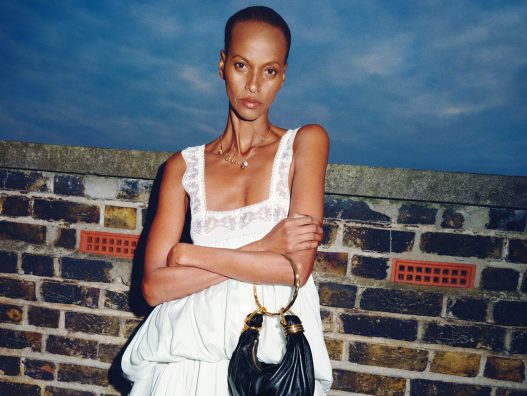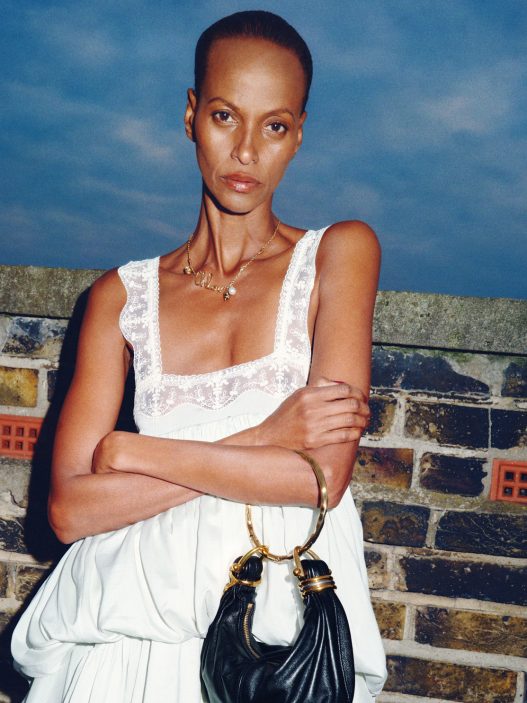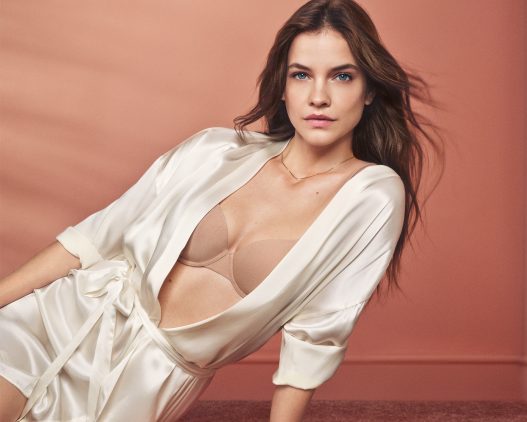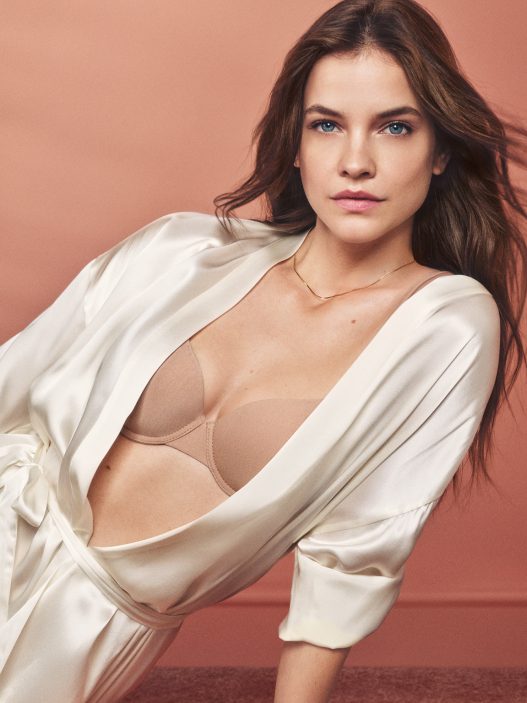

The It-Girl was once a social myth. In the 1990s, Chloë Sevigny wandered through Downtown Manhattan; Alexa Chung gave the indie internet of the 2000s a British silhouette; Olivia Palermo strolled through the Meatpacking District in a blazer as if streetstyle were a birthright. In 2025, the It-Girl has taken a new form: she lives on TikTok, wears dark lipliner, looks bored, seems pulled from a Berlin basement — and listens to Brat.
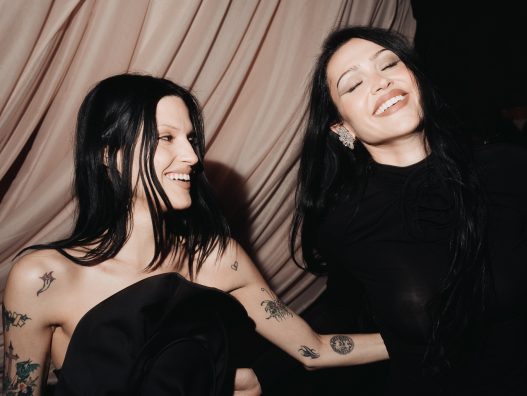
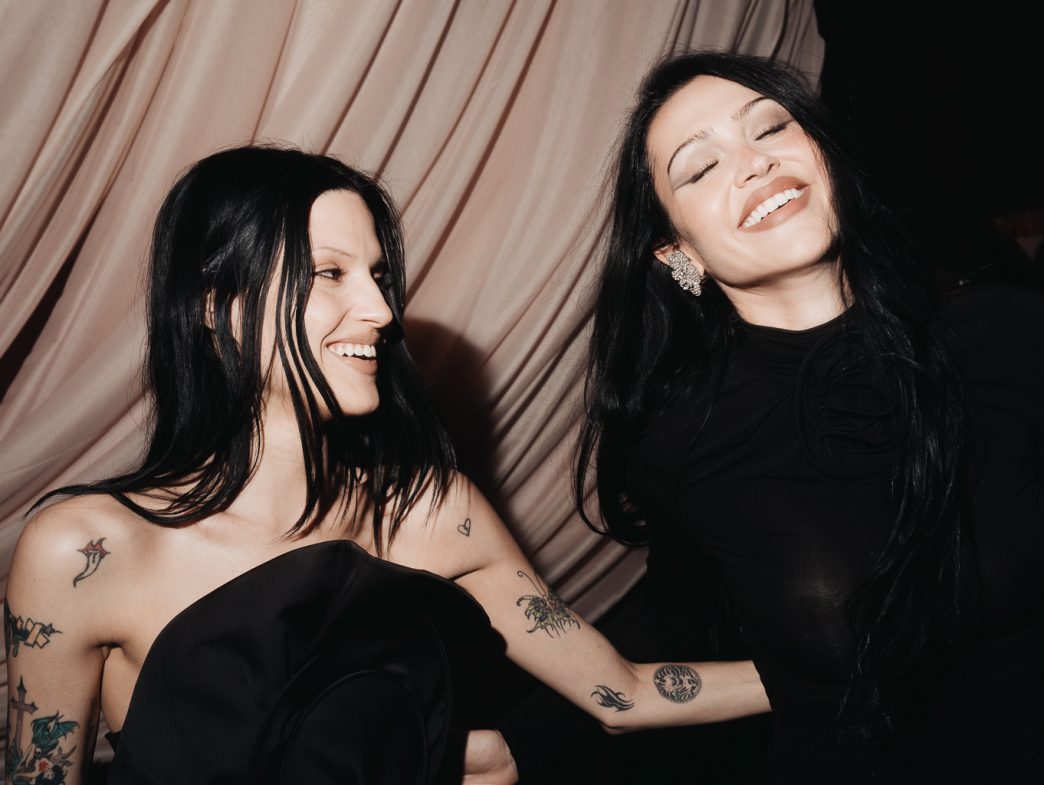
Gabriette and Amelia Grey are not mere style figures. They are symbols of an era in which influence is no longer generated through a flawless image, but through stylised imperfection. One — Gabriette — exudes the subversive chaos of a DIY music video; the other — Amelia Grey — is controlled, calculated, cool. Together they generate a tension that has long been canonised within the visual culture of Gen Z.
Micro-Trends with Macro-Influence
Neither broke into the collective consciousness through viral dances or product placements, but through aura. TikTok aesthetics like „heroin chic revival“ and „indie sleaze“ — once controversial, now re-evaluated — are experiencing a renaissance through Gabriette. Her look reads like a moodboard assembled from Tumblr remnants, Rick Owens campaigns, and lingerie from a French gothic archive. Amelia Grey, meanwhile, moves through hyper-aestheticised still lifes: clean lines, monochrome outfits, visual calm.
The platform itself functions as a dramaturgical echo chamber: videos in which either of them simply lights a cigarette or breaks eye contact generate millions of views — not through action, but through the absence of it.
Cool-Girl 2.0: The New It-Girls
The new canon of cool no longer demands excess. It favours gestures of understatement: the half-hearted smile, the careless selfie, the seemingly unstaged appearance in a flash cab. Gabriette and Amelia Grey cultivate an anti-celebrity posture that operates with maximum selectivity. No over-staged interviews, barely any loud brand alliances — instead, curated fragmentation.
In an era in which influencer content feels visually saturated and conceptually hollow, distance, opacity, and symbolic referentiality have become new forms of cultural capital. Cool-Girl 2.0 is not a person — it’s a principle.
Gothic Softcore vs. Fashion Purism
Gabriette’s Messy Hotness — damp hair, smudged liner, undone lips — celebrates an aesthetic loss of control that deliberately plays with religious symbolism. Her trademarks: tattooed shoulders in corset dresses, rosary chokers, transparent fabrics that reconcile sin and spirituality. The term „aesthetic Catholicism“ applies with precision — iconography, irony, and identity fused together.
Amelia Grey, meanwhile, perfects the language of modern minimalism: asymmetric cuts, sculptural silhouettes à la Ferragamo, structured looks in night-dark tones. Her presence with brands like Balenciaga and Ferragamo, and most recently at the Magda Butrym launch party in a black rose ensemble, represents a new power dressing with a cool gaze.
And yet, precisely because of the visual proximity of both aesthetics, Amelia Grey has long been the subject of critique: she was accused of copying Gabriette’s look — from hairstyle to body language. TikTok videos have dissected perceived similarities frame by frame.
@thefashionnap Marc Jacobs won April Fools Day with this very real campaign 😅 #marcjacobs #gabbriette #ameliagray #aprilfools ♬ original sound – Chani Ra – fashion commentary
Fashion Power Without Compromise
While Gabriette shapes campaigns for Alexander Wang and circulates as a visual muse within Charli XCX’s Brat universe, Amelia Grey has established herself as a permanent fixture on the moodboards of international casting agents. Whether as a Ferragamo face, Balenciaga model, or editorial darling for Interview Magazine — her stylistic evolution from nepo baby to aesthetic authority is complete.
Both occupy that postmodern grey zone between model, muse, and myth — the territory once dominated by Kate Moss alongside Naomi Campbell, and later Bella alongside Gigi Hadid.
Style duos have always exerted a magnetic pull on the fashion world. What Patsy and Edina once parodied, Gabriette and Amelia Grey enact as visual reality: two bodies, two concepts, one visual language. Whether backstage at H&M x Magda Butrym, in Paris, or captured privately in paparazzi shots — their presence reads like something out of an independent magazine from 2004, but with the ambivalence of 2025.
In an era when the term „underground cool“ has long since been absorbed by marketing departments, the two embody the kind of authenticity that simply cannot be purchased. They are the counter-movement to the content economy — and simultaneously its most refined masters.
Post-Influencer It-Girls as Superbrand
The future of the It-Girl concept lies not in reach or brand partnerships — but in semantic weight. Gabriette and Amelia Grey define this new figure: selective, stylised, sphinx-like. They are not influencers, but aesthetic archivists of a digital zeitgeist in which coolness is once again a matter of posture.
In this new era, it’s not about visibility — it’s about aesthetic authority. Gabriette and Amelia Grey? Not merely the faces of the present — but perhaps the last real It-Girls before the term dissolves entirely into the algorithmic cloud.